Paint Quality
Contractor-grade latex runs $25–$45 per gallon; premium lines like Sherwin-Williams Emerald or Benjamin Moore Aura push $75–$90. Better paint lasts 7–12 years on PA exteriors vs 4–6 for economy lines.
The cost to paint a house in Pennsylvania in 2026 typically ranges from $1,800 to $8,500, depending on whether you're painting the interior, exterior, or both, the home's size, and the condition of older plaster, trim, and siding. Smaller single-story homes can come in under $2,000, while larger Victorian and multi-story row homes in Philadelphia or Pittsburgh often push past $10,000 once prep and lead-safe work are factored in. Use Middler's free paint estimator to price your exact project in under a minute — based on your ZIP code, square footage, and home type.
Here's a quick look at average 2026 painting costs across Pennsylvania:
Prices swing based on region (Philadelphia and Pittsburgh run 10–25% above state average), prep work on older homes, siding material, and paint grade. Brick re-paints, stucco repairs, and lead-safe prep on pre-1978 homes can add several thousand dollars to the quoted price.
Most Pennsylvania painters price by square footage of paintable surface, not total home footprint. These are typical 2026 price bands for a standard PA home:
These estimates cover labor, standard acrylic-latex paint, caulking, and basic prep. They do not include lead remediation, major drywall or plaster repair, stucco patching, or custom finishes — all common add-ons in PA's older housing stock.
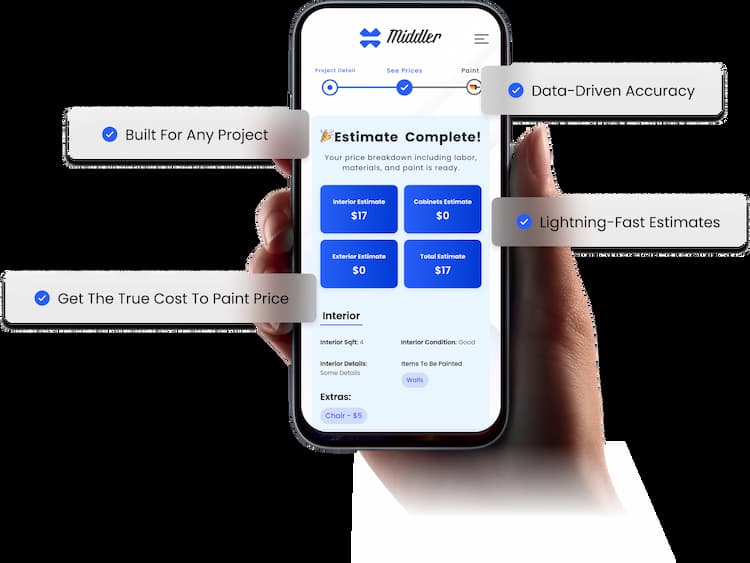
Estimate your rooms with Middler's interior painting cost calculator.
Interior jobs are cheaper because there's no weather risk and less prep. Average interior painting cost in PA: $2.00 – $5.00 per square foot.
Price an exterior job with Middler's exterior painting cost calculator.
Exteriors cost more because of pressure washing, scraping, scaffolding, and PA's freeze-thaw damage. Average exterior painting cost in PA: $2.50 – $6.00 per square foot.
Contractor-grade latex runs $25–$45 per gallon; premium lines like Sherwin-Williams Emerald or Benjamin Moore Aura push $75–$90. Better paint lasts 7–12 years on PA exteriors vs 4–6 for economy lines.
Peeling exterior paint, chalking, rotted wood trim, or damaged plaster walls can add 20–40% to the quote. PA's humid summers and hard winters accelerate wear on older wood siding.
Three-story row homes in Philly, hillside homes in Pittsburgh, and tall Victorian gables in places like Wilkes-Barre or Bethlehem typically require lifts or scaffolding, which adds $300–$1,200 per project.
Painters in Philadelphia charge $45–$85 per hour; Pittsburgh and Allentown run $40–$70; Harrisburg, Lancaster, Scranton, Erie, and Reading average $35–$60. Rural contractors often quote 15–25% less than big-city crews.
Scraping, sanding, caulking, priming, and minor repairs typically add 10–30% to the base cost. On homes older than 50 years — very common in PA — prep can sometimes cost more than the paint itself.
Pennsylvania's humid summers and cold winters shorten the ideal exterior window. Spring bookings fill fast, late fall pricing creeps up as crews race the frost, and winter interior jobs often come with 10–20% off-season discounts.
The best months to paint the exterior of a Pennsylvania house are late April through early October, when temperatures hold between 50°F and 85°F and humidity stays manageable. May, June, and September tend to deliver the cleanest finishes — spring is dry enough to avoid surface moisture, and September pairs mild days with low pollen.
July and August still work but high humidity can slow paint cure, especially in Philadelphia and the Susquehanna Valley. Exterior painting is generally not recommended from mid-November through March due to freezing temps and low-temp paints having narrow application windows.
Interior painting is a year-round job, and winter is actually the cheapest time to book — many PA contractors offer 10–20% discounts from December through February to keep crews working.
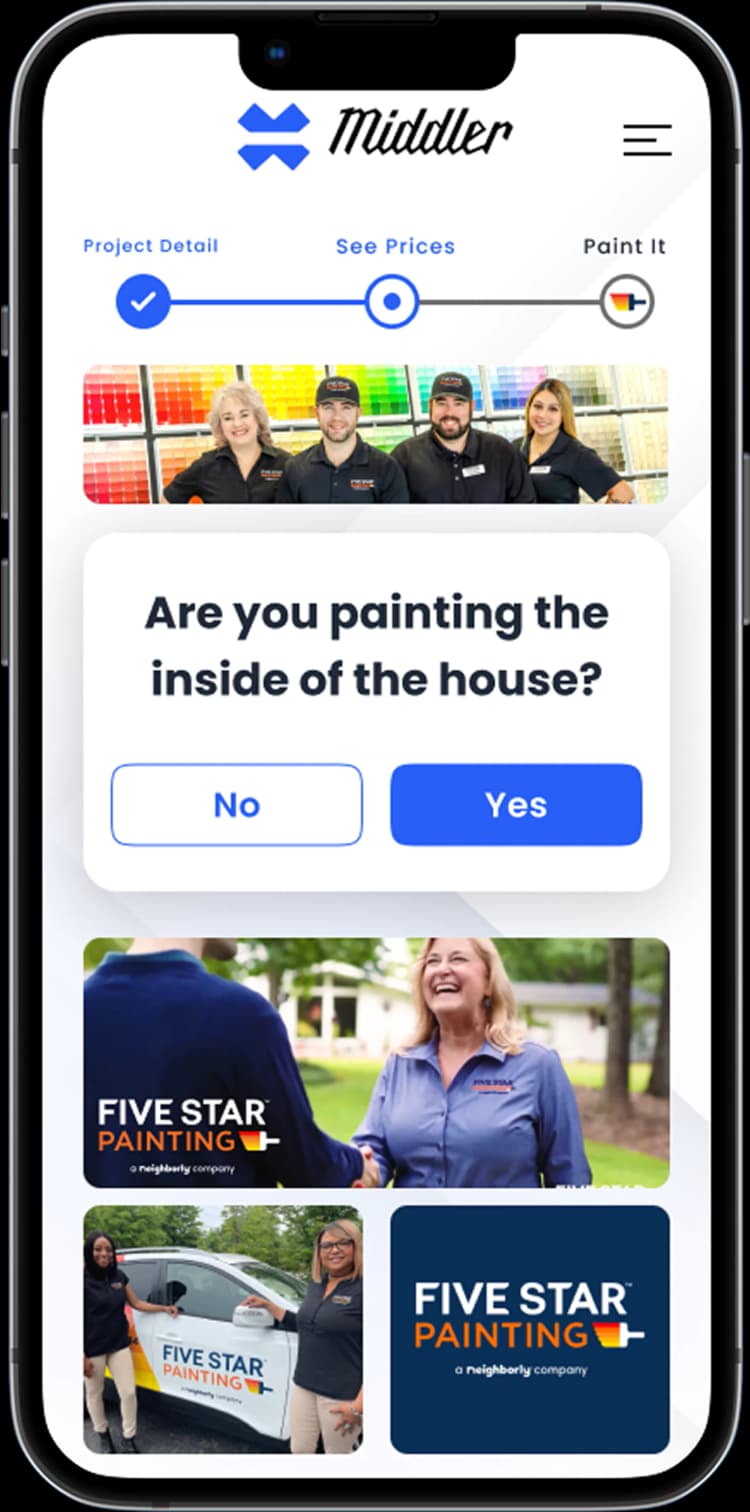
National averages only get you close. Your real Pennsylvania price depends on your ZIP code, home age, siding type, and prep work. Get a precise number in under 60 seconds with Middler's free estimator.
DIY can save money on smaller rooms, but many PA homes come with conditions that make hiring pros the smarter call.
For most whole-house jobs — especially exteriors and anything pre-1978 — a licensed, EPA-certified PA painter is the safer investment. See full national DIY-vs-pro math on Middler's cost to paint a house guide.
National averages only get you close. Your real Pennsylvania price depends on your ZIP code, home age, siding type, and prep work. Get a precise number in under 60 seconds with Middler's free estimator.
Try the Free Middler Paint Estimator →